
By ToolNexus Team
The pattern itself cannot hurt you. It is a way of writing text as squares, no more dangerous than a printed web address. So the honest answer to are qr codes safe is that the format is fine and the thing it points at might not be, which is exactly why criminals like them.
Quick Answer at a Glance
A QR code hides its destination from human eyes. That is the entire vulnerability. It is a design feature rather than a flaw.
| Question | Short answer |
|---|---|
| Can a code carry a virus | No. It carries text, usually a web address |
| What is the real risk | The page it sends you to |
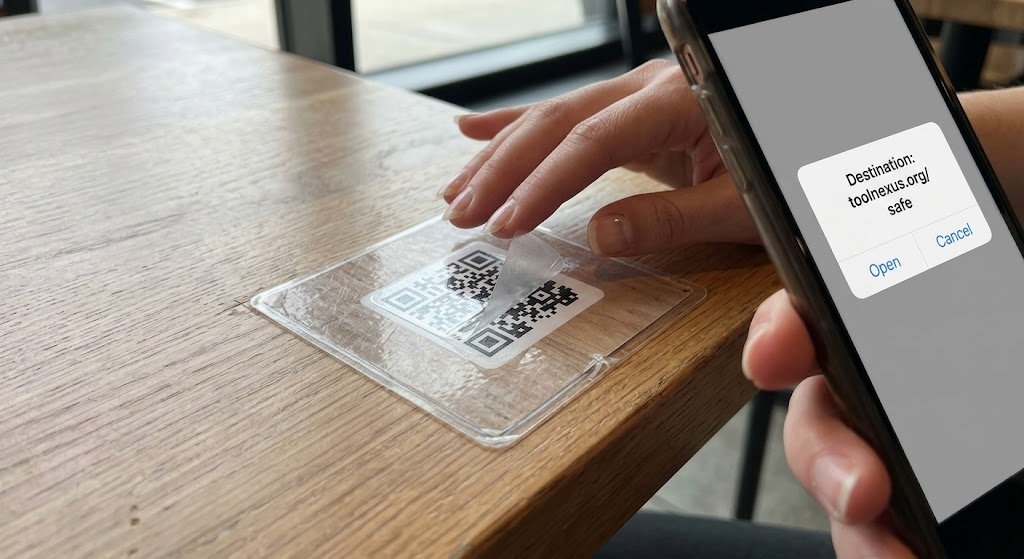
| Most common attack | A sticker placed over a legitimate code |
| Best protection | Read the destination before opening it |
| Riskiest places | Parking meters, restaurant tables, package labels, unexpected post |
Why the Format Is Not the Problem
A QR code holds a short string of text. Scanning it decodes that string. Nothing executes.What makes it different from a printed link is that you cannot read it first. A phishing email at least shows you a suspicious address if you look. A QR code shows you a square of dots. By the time your phone reveals the destination it is usually offering to open it in the same breath. That gap between scanning and knowing is where the whole problem lives.
Quishing and Why It Works So Well
Quishing is phishing delivered by QR code. It has grown quickly for reasons that have little to do with technology.Email filters read links and score them. They do not read images. A QR code sails through a filter that would have caught the same address as text. On the physical side, a code printed on a sticker costs pennies and takes two seconds to apply. Nobody inspects a parking meter closely before paying.The payoff is high too. A convincing payment page collects a card number in under a minute from somebody standing in the rain who wants to get on with their day.
The Patterns Worth Knowing
| Where | The trick |
|---|---|
| Parking meters | Sticker over the operator’s code, leading to a fake payment page |
| Restaurant tables | Replaced menu code, collecting card details for a fake order |
| Package labels | Unexpected delivery notice asking for a redelivery fee |
| Posted letters | Fake bank or tax notice, urgent tone, code instead of a link |
| Email attachments | Image containing a code, used to bypass link filtering |
| Public posters | Sticker over an event or charity code |
The consistent thread is a small payment or a login, requested urgently, in a place where you were already expecting to pay for something.
Checking a Code Before You Trust It
Two checks, one physical and one digital.Run a finger over a printed code. A sticker applied over the original has an edge you can feel. A raised corner is the clearest warning sign available. Codes printed as part of a sign are far harder to tamper with than codes on a separate label.Then read the destination before opening it. Most phone cameras show the address as a preview rather than opening immediately. It is worth pausing on it. If you want the address as plain text with nothing offering to open it, the ToolNexus tool that will scan qr code from image decodes a screenshot and simply displays the result.
Reading a Decoded Address Properly
Most people read a web address left to right and stop too early. That is how lookalike domains work.
- Find the first single slash. The real domain sits immediately before it.
- Anything after that slash is a path and can say whatever the attacker likes.
- Treat shortened links as unknown, since they hide the destination a second time.
- Watch for swapped letters, added hyphens and extra words in a familiar brand name.
What to Do if You Already Scanned One
Scanning alone is not the damage. What matters is what happened next.If you only looked at the page and closed it, you are very likely fine. If you entered card details, contact your bank immediately and ask them to block the card. If you entered a password, change it on the real site and anywhere else you used the same one. If you were asked to install anything and did, treat the device as compromised and run a security scan before signing into anything else.Then report it. Parking operators and restaurants generally want to know their codes have been tampered with, since they lose customers over it.
Printing Codes Safely as a Business
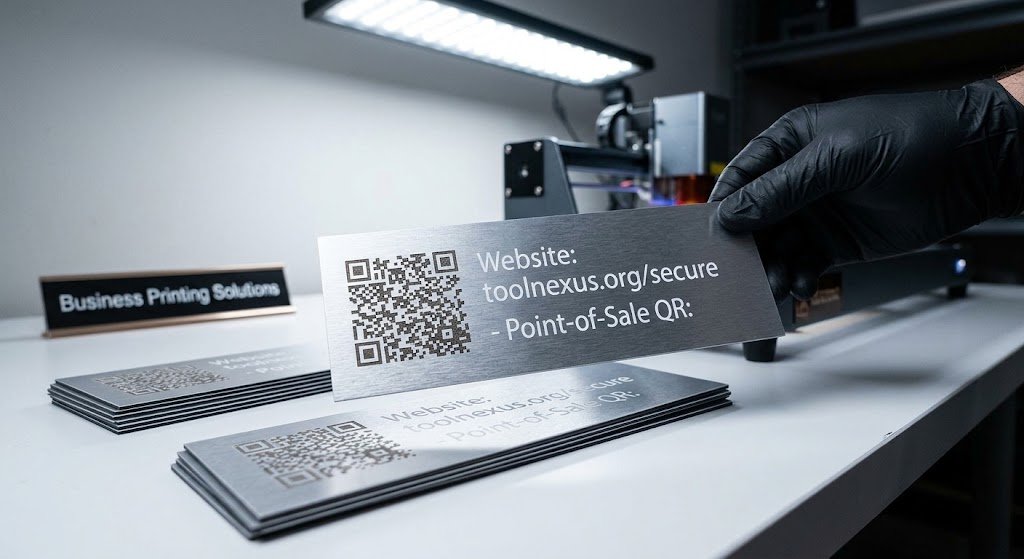
The risk runs both ways. Your customers can be defrauded through your signage.
- Print codes directly onto the sign rather than applying a separate label.
- Put your domain in text beside the code so people can verify where it should go.
- Check your public codes periodically. Tampering is only profitable while nobody notices.
Prefer a code that points at your own domain rather than a redirect service. The reasoning behind that choice is in static and dynamic qr codes compared.
How the Code Itself Works
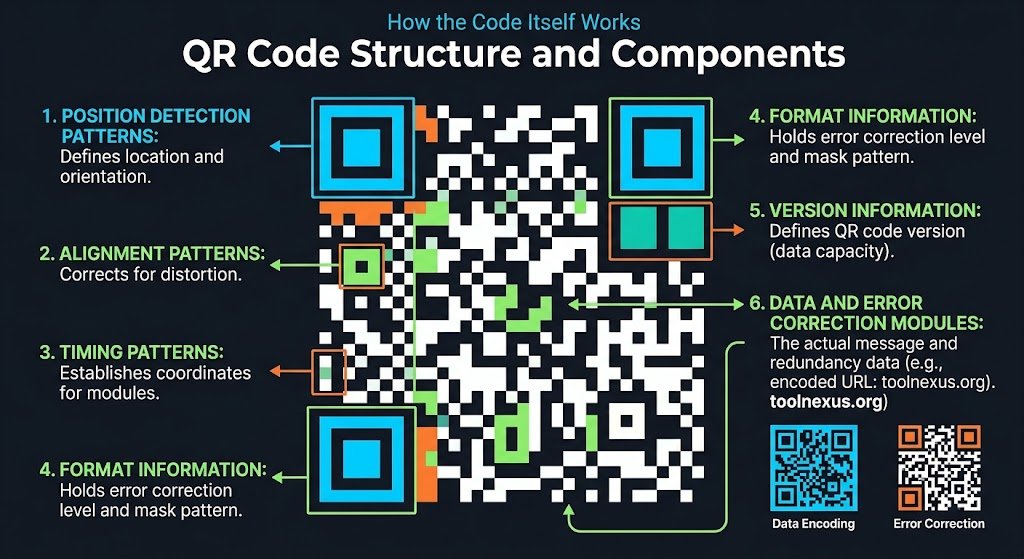
The pattern encodes text as dark and light squares, with three large squares at the corners that tell a scanner where the code starts and how it is rotated. Built in error correction means it still reads when part of it is dirty or damaged.
That resilience is why a crumpled receipt still scans. The full comparison against older formats is in what is a barcode.
About the Author
The ToolNexus Team builds free browser based file tools. The site started with a small group of developers who thought professional grade utilities should not carry a professional grade price tag. It now runs ten tools covering images, PDFs, video and code.
FAQs About are qr codes safe
Is there a scam with QR codes?
Several. They share a shape. A code is placed where you already expect to pay or log in, then sends you to a convincing copy of the real page. Parking meters and restaurant tables are the most reported physical locations. By email, a code inside an image slips past filters that would have blocked the same address written as a link.
What is QR code quishing?
Phishing delivered through a QR code instead of a clickable link. The name is a blend of QR and phishing. It works because security filters scan text and not images. It also works because a person cannot read a code before scanning it. The destination is an ordinary phishing page once you arrive. The usual warning signs still apply.
How to check scam QR code?
Check the physical code first by running a finger over it, since a sticker has a detectable edge. Then decode it without opening it and read the domain, looking at the part immediately before the first single slash. A code that leads somewhere unrelated to the business whose sign it sits on is the answer you were looking for.
What to do if I scan a scam QR code?
Nothing happens from scanning alone. Act on what you did afterwards. Entered card details means calling your bank to block the card now. Entered a password means changing it on the real site and anywhere it was reused. Installed something means running a security scan before signing into anything else on that device.
What does a QR code lead to?
Whatever text was encoded when it was created. Usually a web address, though a code can equally hold contact details, Wi-Fi credentials, an email draft or plain words. The pattern gives away nothing to a human eye, which is convenient for legitimate uses and equally convenient for dishonest ones.
What are the disadvantages of using QR codes?
The main one is the trust gap, since a reader cannot verify a destination before committing. Beyond that, codes need a working camera and often a data connection, they fail when printed too small or on a poor contrast background. A static code also cannot be changed after printing if the page it points at moves or closes.
Scan, Then Look
The format is safe. The habit is what protects you. Feel the code for a sticker. Read the domain before you open it. Never enter payment details on a page you reached only by scanning. Decode any code as plain text free with ToolNexus.
Comments (3)
3 totalNo comments yet. Be the first to share your thoughts!